
Havering Building Experts
No-obligation Quotes. Guaranteed Quality.
Locally Trusted
We have been trusted by thousands of clients in Havering and beyond since 1985.
Regulation Ready
We understand the rules and regulations of building in Havering and the surrounding area.
Full Service
From design to structural engineering, we can cover all aspects of your build.
Full-Service Builders in Havering
Our building projects in Havering make the most of every square inch. After all, in the competitive property market of East London and Essex, the right building project can make better use of what you already have – and add true long-term value.
Building in Havering also comes with unique considerations. Parts of Havering fall within the Metropolitan Green Belt, while there are also designated conservation areas and locations subject to additional planning controls. Whether you’re extending a modern low-rise brick house or renovating an older Victorian property, we understand these local requirements and can help ensure your project remains on track from start to finish.
For over 40 years, Glenward Builders has been a one-stop shop for homeowners and businesses in Havering. We can manage everything from structural work and refurbishments to extensions, loft conversions and commercial builds. For complete peace of mind, we’re fully registered with the relevant governing bodies and carry professional indemnity insurance of up to £5 million. Whatever you have planned, it all starts with a free, no-obligation quotation today.

Our Building Services
✅ Loft Conversions: Transform unused loft space into beautiful living areas and maximise the value of your home.
✅ New Builds: Full-service residential building construction, including new homes, apartments, and flats.
✅ Property Renovation: Comprehensive renovation services to modernise and improve existing properties.
✅ House Extensions: Expand your living space with budget-friendly, custom-designed house extensions.
✅ Commercial Construction: Minimal structural work; ideal for budgets and homes with good height.
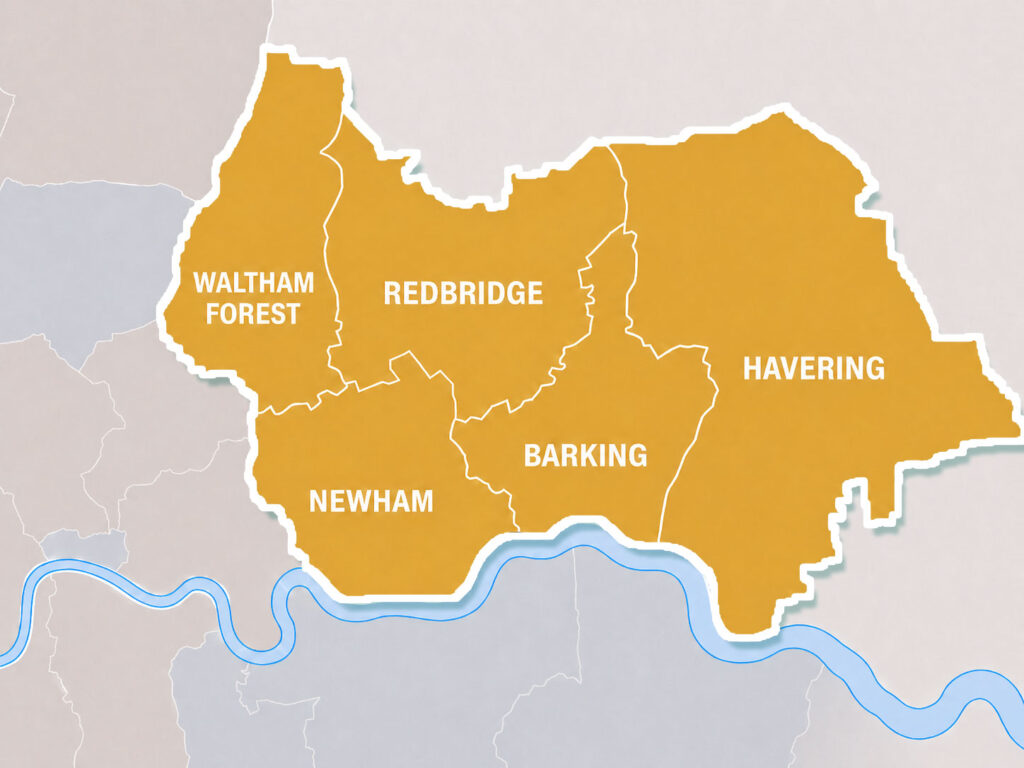
East London Building Specialists
Ready to Start Your Project?

Contact us for a no-obligation consultation.
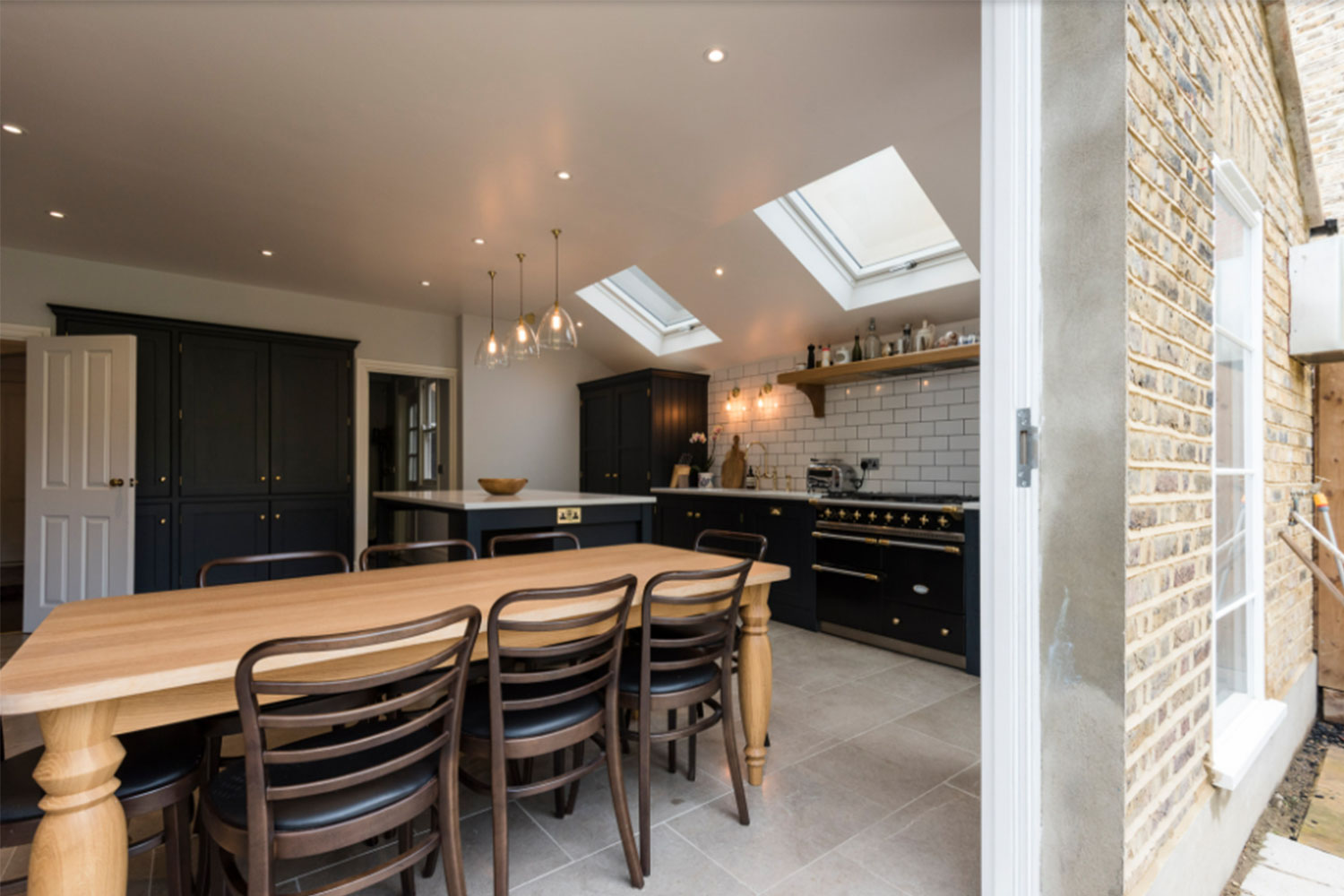
Recent Builds Near You



Frequently Asked Questions
Which building projects can add the most value to a home in Havering?
Havering building projects that create new usable living space can yield some of the strongest returns. Nationwide’s latest analysis found that a loft conversion or extension that creates a large double bedroom and bathroom could add up to 24% to the value of a typical three-bedroom, one-bathroom house.
Even without a major extension, increasing usable space can make a measurable difference. For example, nationwide estimates suggest that a 10% increase in floor area can add around 5% to a typical property’s value.
However, return on investment depends on the individual property and the ceiling price for comparable homes in your part of Havering.
Home renovations, garage conversions, structural alterations, loft conversions, and extensions are all well suited to Havering’s house-heavy property market.
Can I extend a property in Havering’s Green Belt?
A property extension in Havering’s Green Belt is possible, but the Green Belt status can restrict the scale of development. Havering includes substantial areas of Metropolitan Green Belt, especially towards the more rural edges of the borough, so it is important to check where your property resides.
Recent Havering planning decisions have shown that the size of any development must be proportionate to the original size of the property and harmless to the Green Belt’s open environment.
Can I extend a house in Gidea Park?
A house extension in Gidea Park may require planning permission. Many standard rear or single-storey extensions can be built under Permitted Development (PD) rights if they meet specific size, height, and boundary limits. However, rules are stricter if your home is in a protected zone
Consideration will need to be given to conservation areas and Article 4 Directions – a tool that councils use to remove “permitted development rights” in specific areas. Lastly, for older/period properties, extensions may need to be designed around the architectural character of the original house to preserve its historical features.
Can I convert my Havering bungalow into a larger family home?
In many cases, yes, and without issue. Bungalow conversions are one of the most straightforward projects. Bungalows are excellent for loft conversions, rear extensions, and carefully designed first-floor additions. However, please note that planning considerations become particularly important for any home within Havering’s Green Belt or conservation areas.
Do I need permission to remove a tree before building?
Havering has Tree Preservation Orders (TPOs), so it’s important to check the status of the tree in question before removing it. When a tree is protected, we will generally need the council’s consent before carrying out work. Trees within conservation areas are also protected, subject to specific rules and exceptions. We would not recommend removing a tree first and asking questions later, as it can create serious planning problems. However, these are all factors we can handle before finalising the footprint of your build and commencing the project.
What problems should I look out for when renovating an older property in Havering?
Older properties can conceal problems that aren’t obvious during an initial viewing. Ageing wiring and plumbing, damp, damaged brickwork, inadequate insulation and historic alterations are all worth investigating before a major renovation begins.
Glenward Builders offer full-service builds that can highlight any issues with ageing properties at the start of a building project to help avoid any nasty surprises and to efficiently manage timelines and budgets.
Please note that period properties may also have heritage considerations that require any renovation to retain historical features.
What are the designated conservation areas in Havering?
Havering Council currently lists 11 designated conservation areas:
- Corbets Tey (designated in 1990): centred on one of the medieval settlements that formed Upminster.
- Cranham (designated in 1968): focused on the historic hilltop hamlet and surrounding landscape.
- Gidea Park (designated in 1970 and extended in 1989): particularly significant for its early-20th-century Garden Suburb architecture.
- Havering-atte-Bower (designated in 1968): protects the historic linear village and its connections with the former Havering and Pyrgo palaces.
- Langtons (designated in 2010): includes Langtons, Fairkytes Arts Centre, Queen’s Theatre and surrounding green spaces.
- North Ockendon (designated in 1990): protects the surviving rural village and its two historic hamlets.
- RAF Hornchurch (designated in 1989): centred on surviving buildings associated with the site’s important Second World War history.
- Rainham (designated in 1968) encompasses the historic village core and its riverside setting.
- Romford (designated in 1968) principally protects the historic Market Place and buildings around the old crossroads.
- St Andrews (designated in 2010): centred on St Andrew’s Church and churchyard in Hornchurch and includes Hornchurch Cemetery and The Dell.
- St Leonards (designated in 1984 and amended in 1990): centred on the architecturally distinctive former Victorian children’s home in Hornchurch
Can Glenward Builders manage my whole Havering building project?
Absolutely. Glenward Builders can provide a complete building service that coordinates multiple trades and manages the full scope of the project. From structural alterations and extensions to electrical work, plumbing, decorating and finishing, keeping the work under one team can make complex renovations considerably easier to manage – especially when we have local expertise.